
A Homeowner's Guide to Navigating Storm Damage Insurance Claims in Maine
Another wicked Nor'easter has rolled through, and in its wake, you're left looking at your home, wondering if your roof and siding made it through unscathed. Discovering storm damage is stressful enough, but the thought of navigating a complex insurance claim can feel completely overwhelming. Where do you even begin? The paperwork, the phone calls, the adjuster meetings—it's a process filled with potential pitfalls.
But it doesn't have to be a nightmare. With the right knowledge and a trusted partner on your side, you can manage your insurance claim with confidence and ensure your home gets the quality repairs it deserves. As a local roofing and siding expert serving the Portland community, we've helped countless homeowners through this exact situation. This guide will walk you through the essential steps, from initial damage assessment to final repair, so you can feel in control and get your home back to its best.
Step 1: Prioritize Safety and Document Everything
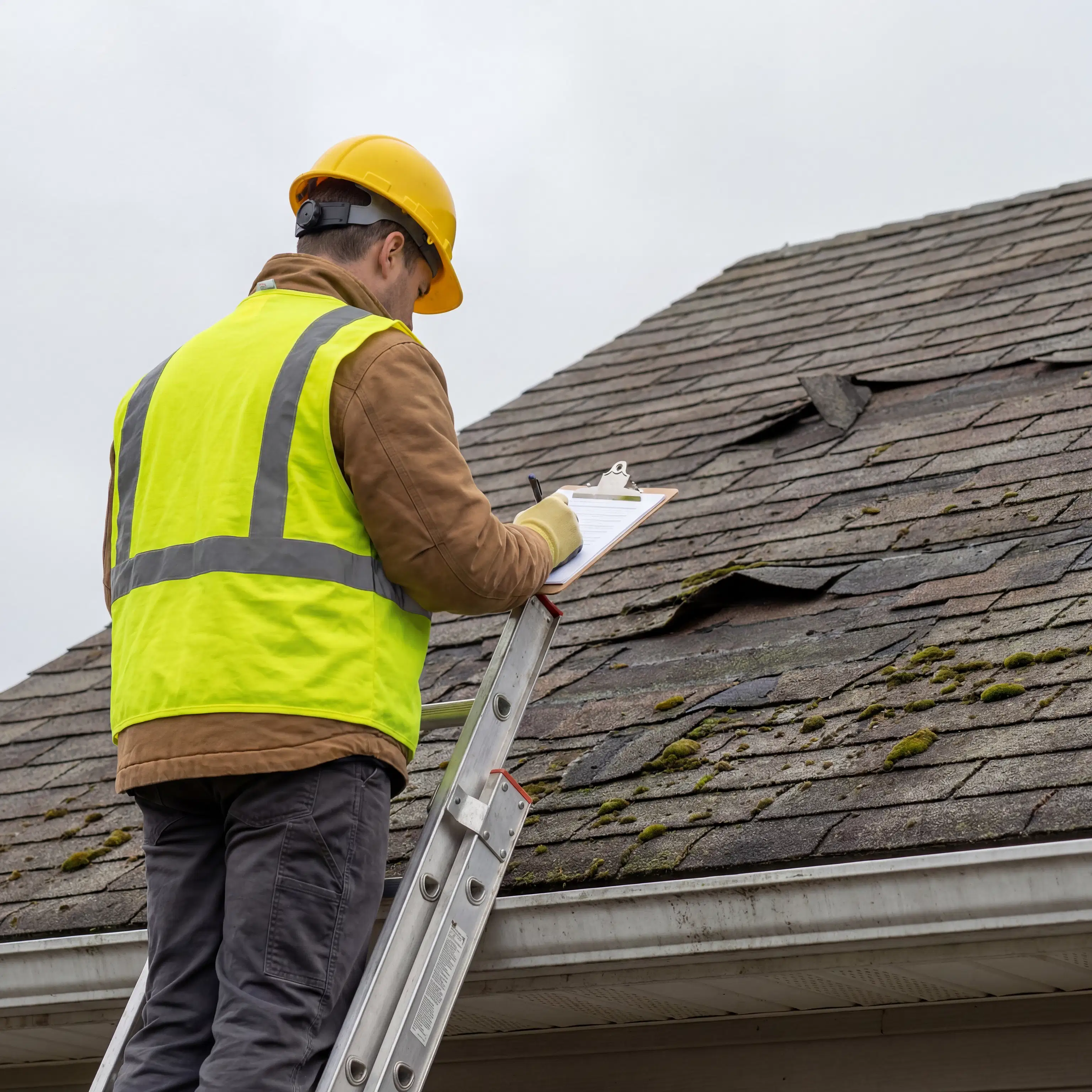
Before you do anything else, your first priority is safety. Storms can create hidden dangers like downed power lines or unstable structures. Perform a visual inspection from the ground first. If you see significant damage, it's best to call a professional rather than attempting to get on the roof yourself.
Once you've confirmed the area is safe, your next task is to become a detective. Thorough documentation is the single most important thing you can do to support your insurance claim. Before any cleanup or temporary repairs begin, grab your smartphone and:
- Take photos and videos: Capture wide shots of your entire home to show the overall context, then move in for detailed close-ups of all damaged areas. This includes shingles that are missing, cracked, or lifted; dented gutters; and any damage to your siding, windows, or trim. If you can, take photos of any large hailstones or fallen tree limbs that caused the damage.
- Time-stamp your evidence: Make sure your camera's date and time stamp feature is enabled. This proves the damage occurred during the specific storm event.
- Make detailed notes: Write down the date and time of the storm and a list of all the damage you've observed. No detail is too small.
After you've documented the damage, take steps to prevent it from getting worse. This is often referred to as your “duty to mitigate damages” in insurance policies. This could involve placing a tarp over a leaking area of the roof or boarding up a broken window. Be sure to keep receipts for any materials you purchase for these temporary fixes, as they are often reimbursable.
Step 2: Understand Your Policy and File Your Claim
With your evidence gathered, it's time to contact your insurance company. Before you call, locate your homeowner's insurance policy. Understanding a few key terms will help you have a more productive conversation:
- Deductible: This is the amount you are responsible for paying out-of-pocket before your insurance coverage kicks in.
- Replacement Cost Value (RCV): This coverage pays for the full cost of replacing the damaged property with new materials of similar kind and quality, without deducting for depreciation.
- Actual Cash Value (ACV): This coverage pays the replacement cost of the damaged property minus depreciation. For example, if your 15-year-old roof is damaged, an ACV policy will only pay for the remaining value of that roof, not the cost of a brand new one.
When you call your insurance provider to file the claim, have your policy number and all your documentation ready. Provide a clear, factual account of the damage. You will be assigned a claim number and an insurance adjuster will be scheduled to visit your property to assess the damage in person.
Step 3: The Adjuster's Visit and the Role of Your Contractor
The insurance adjuster works for the insurance company. While most are fair, their job is to assess the damage from their company's perspective. They may not have the specialized training to spot every type of storm-related issue, especially subtle damage to asphalt shingle roofing or hidden structural problems.
This is why we strongly recommend having a qualified, local contractor meet with the adjuster at your home. An experienced roofer acts as your advocate. We can:
- Point out all damage: We know the specific signs of wind, hail, and debris impact that an adjuster might overlook.
- Ensure a comprehensive assessment: We can make sure the adjuster's report includes everything needed for a proper repair, from the shingles and underlayment to gutters and siding.
- Speak the same language: We can communicate with the adjuster using industry-standard terminology and discuss local building code requirements, ensuring the proposed repairs are up to Maine's standards.
Having a professional on your side levels the playing field and significantly increases the likelihood of your claim being approved for the correct and complete scope of work. It helps prevent the frustrating back-and-forth that can happen when an initial assessment is incomplete.
Step 4: From Scope of Work to Project Completion
After the inspection, you'll receive a
Step 4: From Scope of Work to Project Completion
After the inspection, you'll receive a "scope of work" or loss summary report from your insurance company. This document details the approved repairs and the amount they will pay for them. It's crucial to review this document carefully and compare it with the detailed estimate provided by your chosen contractor.
If there are discrepancies—for example, the insurance report only covers a small roof repair when a full replacement is necessary, or it misses the damaged siding repair—your contractor can help. We can submit our findings and documentation to the insurance company to justify the need for a more comprehensive repair, a process known as a supplement.
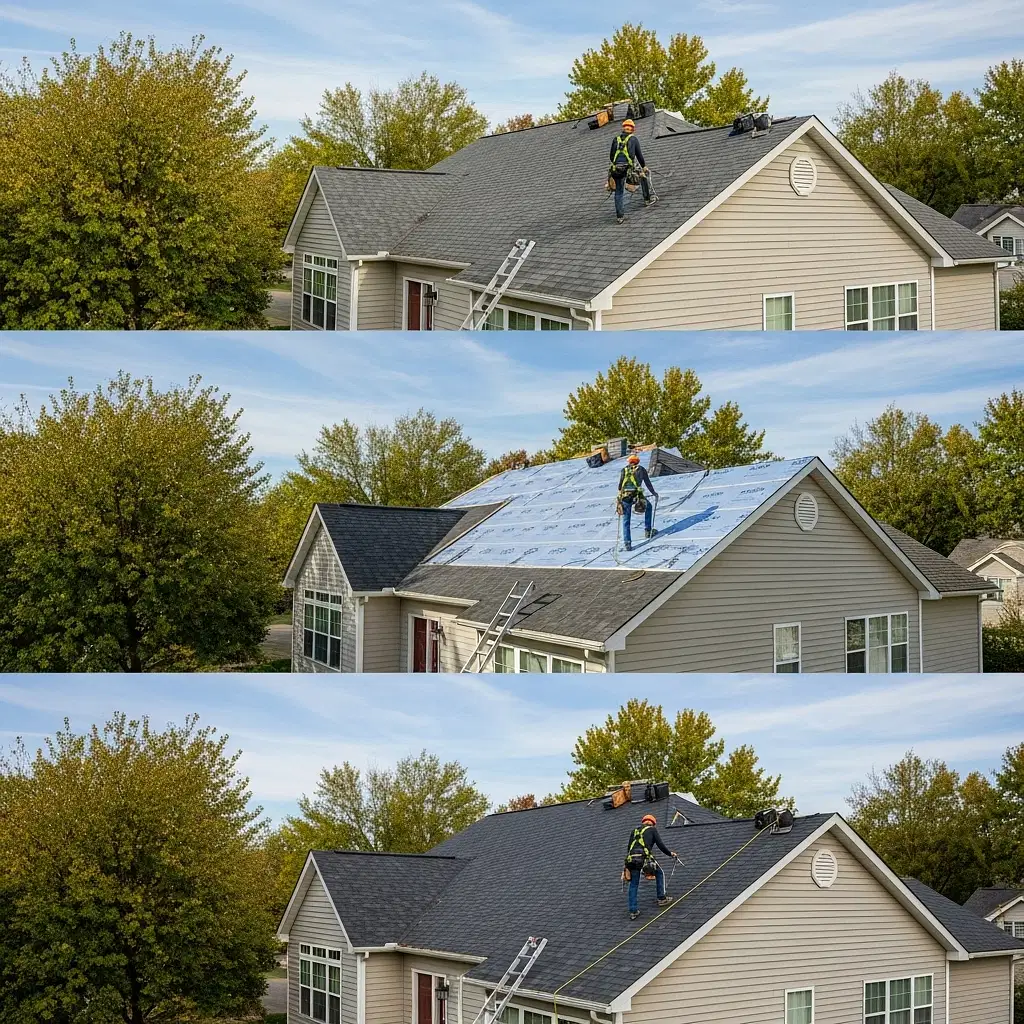
Once the scope of work is agreed upon, you can move forward with the repairs. Choosing a contractor who is not only skilled in their trade but also experienced with the insurance process is key to a smooth, stress-free restoration of your home. A reliable contractor will handle the project from start to finish, ensuring all work meets or exceeds local codes and manufacturer specifications, leaving your property clean and secure.
Don't Navigate Storm Damage Alone
Dealing with a damaged roof or siding is a serious issue that can lead to bigger problems like leaks and structural damage if not addressed correctly. The insurance process adds another layer of complexity, but you don't have to handle it by yourself.
By following these steps—documenting thoroughly, understanding your policy, and partnering with a trusted expert—you can protect your investment and restore your peace of mind. If your home in the Portland area has been impacted by a storm, the team at 3D Exteriors, LLC is here to help. We provide thorough damage inspections, detailed estimates, and expert guidance through the insurance claims process. Contact us today for help with your roof repair, siding repair, or any exterior structural repairs you may need.