EPDM Roofing Solutions for Low-Slope Home Additions
Expanding your living space with a new sunroom, garage, or rear extension is an exciting milestone for homeowners in the Portland area. These additions are wonderful for creating more room to relax and entertain, but they frequently feature flat or low-pitch roof designs. While this architectural choice looks great and seamlessly integrates with the rest of your home, it presents some very specific challenges when exposed to our harsh coastal climate. Standard steep-slope roofing materials simply do not perform the same way when gravity isn't there to help shed water and snow quickly.
When a severe Nor'easter rolls through, bringing heavy snow and driving rain, low-slope roofs are uniquely vulnerable to moisture pooling and structural strain. This is why selecting the right material for your new addition is one of the most critical decisions you will make during the construction process. For decades, commercial buildings have relied on specialized rubber membranes to keep water out, and that exact same technology has been adapted for residential use. Today, using EPDM rubber roofing for low slope residential roofs is widely considered the gold standard for protecting your investment against extreme weather, rapid temperature fluctuations, and coastal moisture.
The Challenges of Low-Slope Roofs in Maine
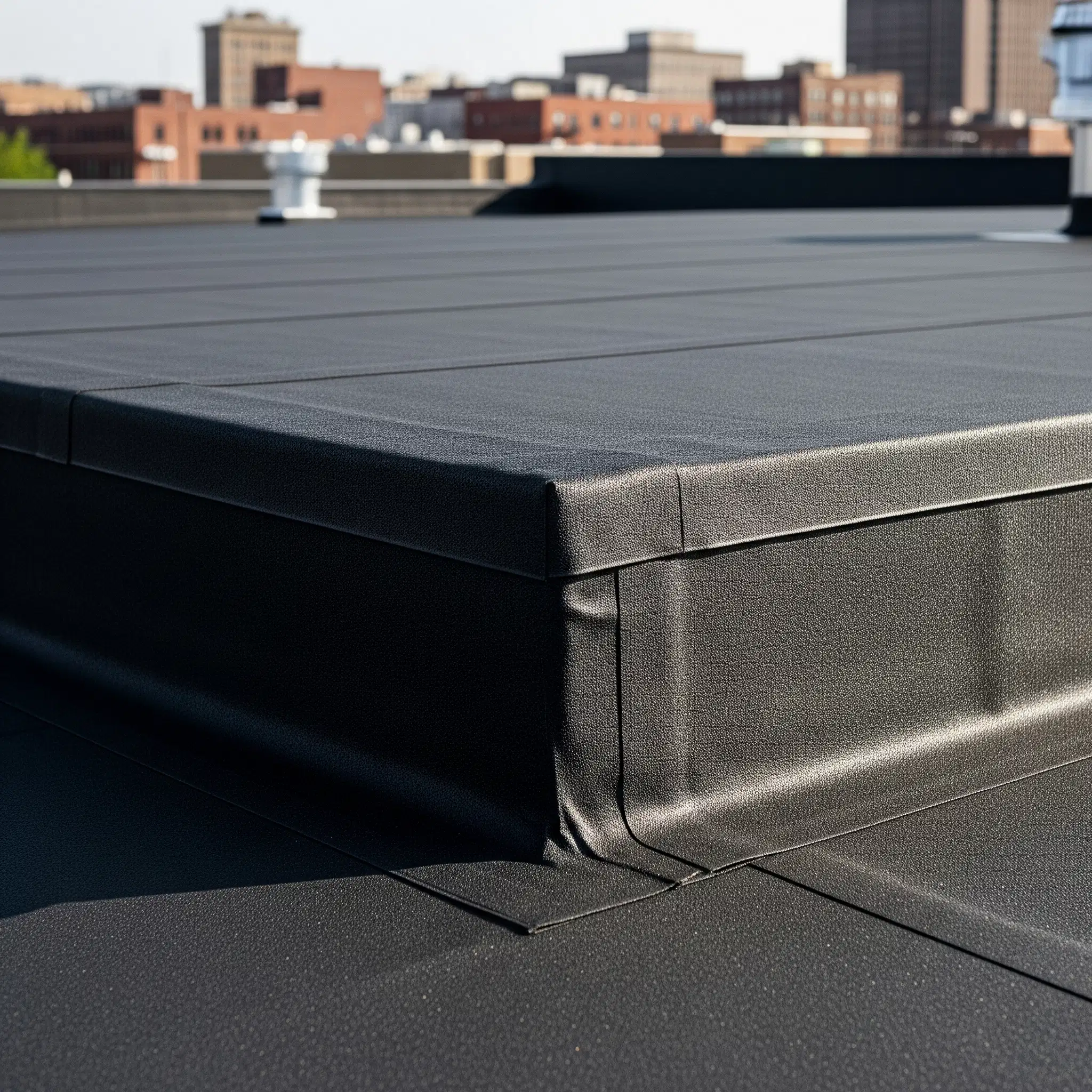
To understand why material choice matters so much, it helps to understand what a low-slope roof actually goes through during a typical Maine winter. On a traditional pitched roof, melting snow and rain run off quickly. On a flat or low-slope surface, water moves much slower. If the drainage system is even slightly impeded by debris or ice, water will sit on the roof.
One of the most persistent issues homeowners face is the formation of ice dams. These occur when heat escapes from the living space into the attic or ceiling cavity, melting the snow directly above it. The water trickles down to the colder edges of the roof, where it refreezes into a solid block of ice. As this cycle continues, the ice dam grows, trapping subsequent snowmelt behind it in a pool of standing water. If your roof isn't fully impenetrable, that standing water will eventually find its way under traditional shingles, leading to significant interior water damage, compromised insulation, and even structural rot that you might not notice until it is far too late.
Furthermore, heavy snow loads can cause slight deflections in roof decking over time, creating small depressions where water can collect. Because of these factors, traditional overlapping materials are inadequate for flat surfaces. You need a continuous, impenetrable barrier to keep moisture strictly on the outside of your home.
Why EPDM is the Ideal Solution
EPDM, which stands for Ethylene Propylene Diene Terpolymer, is a highly durable synthetic rubber roofing membrane. It is primarily composed of two main ingredients derived from natural gas and oil, resulting in a product that is incredibly resilient, flexible, and entirely waterproof. When looking for the best waterproof membrane for flat porch roofs, sunrooms, or garage additions, EPDM consistently outperforms the alternatives.
One of the greatest advantages of EPDM is its flexibility. In our climate, building materials undergo extreme thermal shock. They expand under the baking summer sun and contract during sub-zero winter nights. Many rigid materials will crack or split under this continuous stress, but EPDM remains flexible across massive temperature extremes. It stretches and moves with your home's natural shifting, ensuring that the watertight seal is never compromised.
Additionally, EPDM is highly resistant to ultraviolet radiation and the corrosive salt air rolling in off Casco Bay. While other materials might degrade, dry out, or become brittle when exposed to these coastal elements year after year, a properly installed EPDM membrane can last for decades with very minimal maintenance. This durability makes it a highly cost-effective solution over the lifespan of your home addition.
Mastering the Transition Between Roofing Materials
Most home additions do not stand entirely alone; they connect directly to an existing structure that likely has a pitched roof covered in standard shingles. Handling this connection point is arguably the most critical part of the entire roof installation process. If this seam is not executed perfectly, it becomes a major vulnerability for leaks.
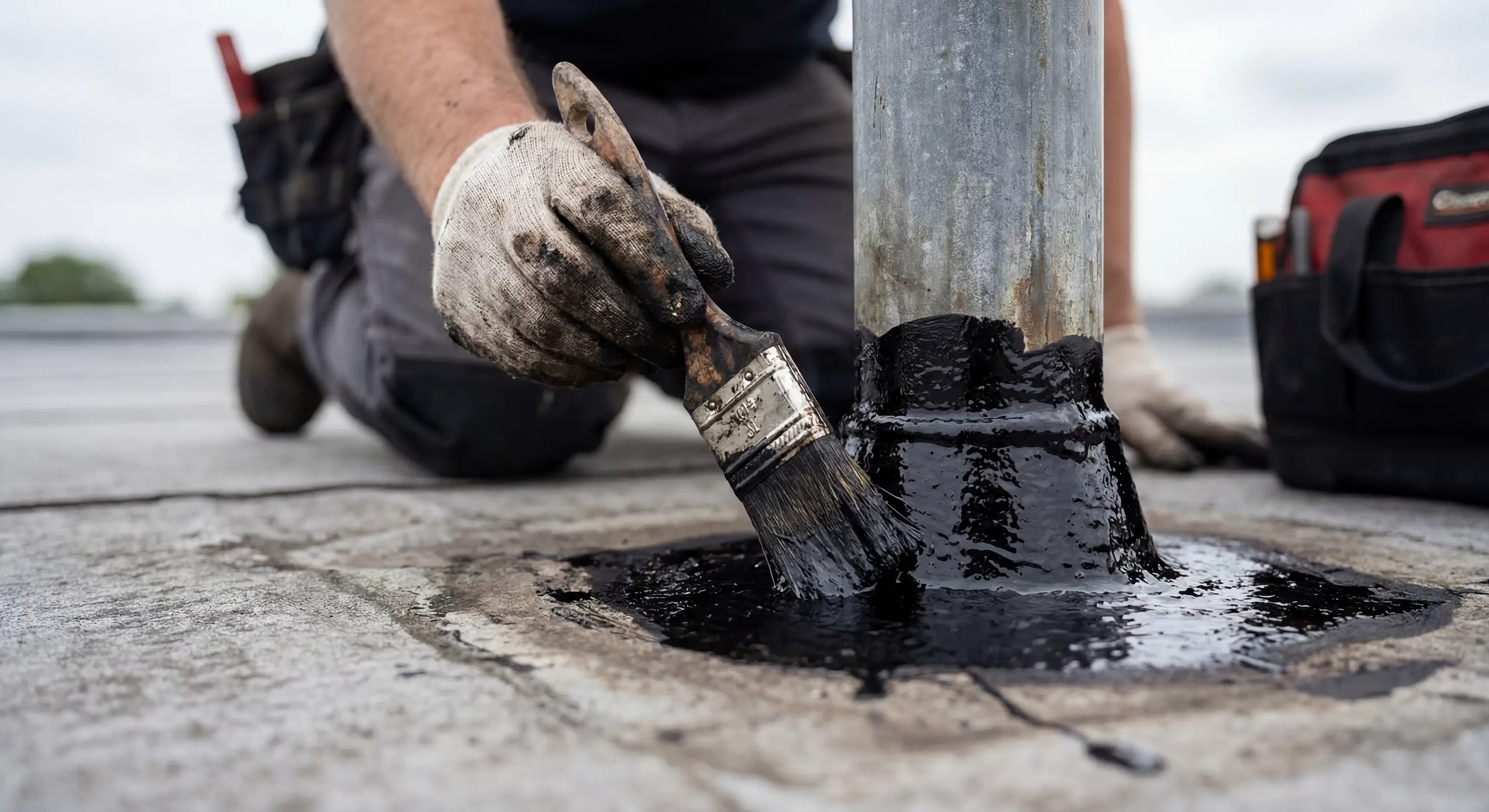
The low slope roof transition to asphalt shingles requires precise flashing techniques and an expert understanding of how water travels down a slope. The EPDM membrane must be run far enough up the slope of the existing roof, securely adhered, and then properly overlapped by the traditional shingles. This ensures that when water rushes down the steeper pitch, it seamlessly transitions onto the flat rubber surface without any opportunity to flow backward or seep under the seams. By pairing high-quality EPDM with premium asphalt shingle roofing on the upper sections, you create a cohesive, impenetrable shield for your entire home.
Long-Term Protection and Peace of Mind
Investing in a high-quality rubber membrane does more than just stop leaks; it protects the structural integrity of your entire addition. Water intrusion doesn't just ruin drywall and paint; it compromises load-bearing beams and creates environments where mold can thrive. Comprehensive waterproofing is an absolute necessity, not a luxury.
Maintaining an EPDM roof is also remarkably straightforward. Because there are no granules to wash away or individual shingles to blow off in high winds, standard maintenance usually involves simply keeping the surface clear of fallen branches and ensuring that your gutters and scuppers are free of debris so water can flow off the edge freely. If minor damage ever does occur—perhaps from a falling tree limb—repairs are generally quick and minimally invasive, utilizing specialized adhesives and rubber patches that restore the membrane to its original integrity.
At 3D Exteriors, LLC, we understand that building an addition is a major investment, and we are committed to ensuring it remains safe, dry, and comfortable for decades to come. If you are planning a low-slope home addition or need to replace a failing flat roof in the Southern Maine area, contact us today to discuss how our specialized EPDM rubber roofing systems can provide the ultimate protection for your property.