
Fall Roof Inspection Checklist Before Winter Storms
As the vibrant autumn leaves begin to drop, homeowners in Portland know that our beautiful fall season is fleeting. Before long, the crisp air will give way to freezing temperatures, heavy snowfalls, and the unpredictable coastal weather that defines our winters. If you wait until a Nor'easter is bearing down on the coast to think about the condition of your home's exterior, you might be in for a stressful season. Taking the time now to thoroughly evaluate your property is the absolute best way to prevent minor wear and tear from turning into a major emergency when the snow starts flying.
The window of opportunity for exterior maintenance is short before the weather turns. Once the freezing temperatures set in, performing necessary repairs becomes significantly more difficult, and scheduling a contractor gets highly competitive. This comprehensive fall roof inspection checklist for homeowners will help you identify vulnerabilities, understand your roof's condition, and ensure your home is fully prepared to withstand the harsh months ahead.
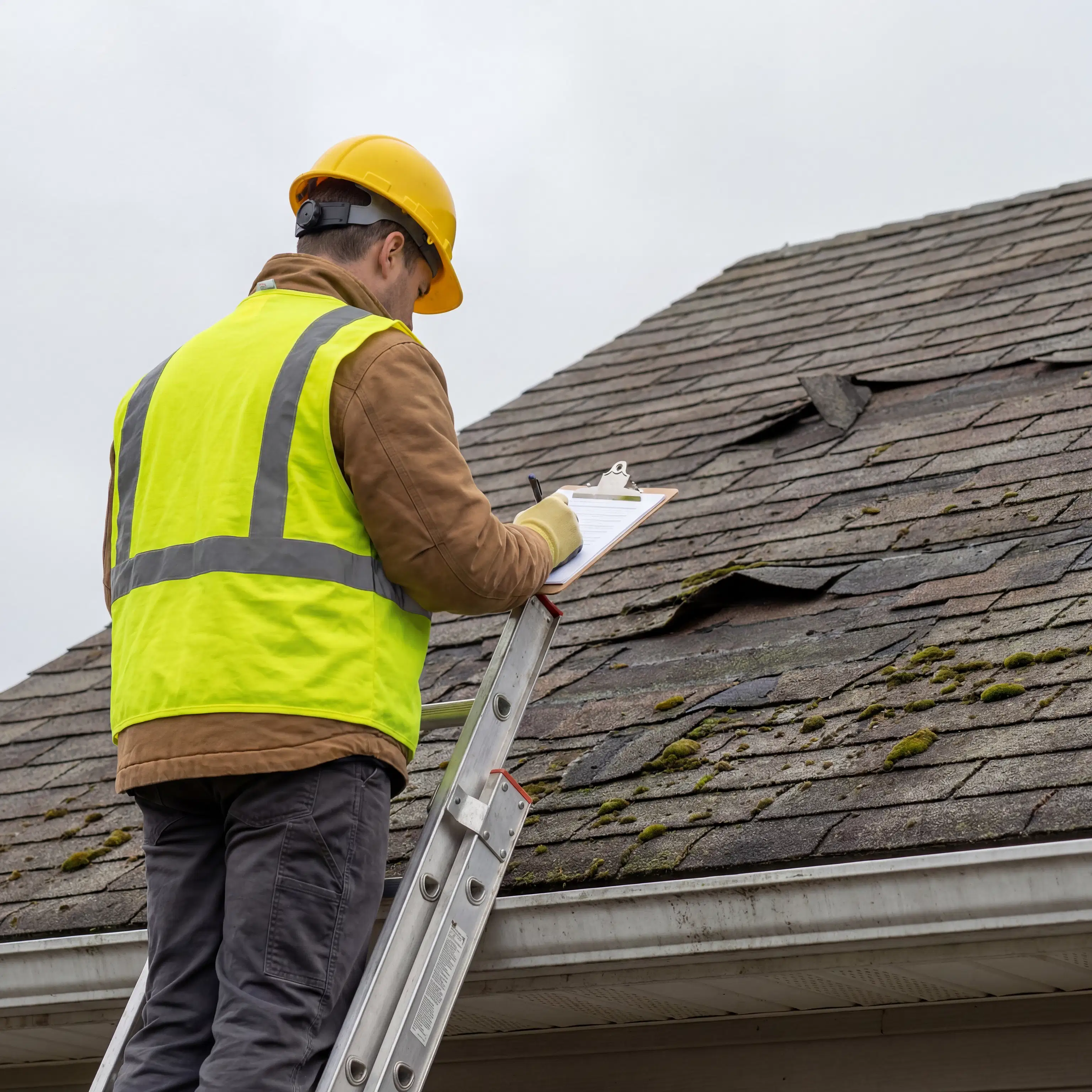
Spotting the Early Warning Signs on Your Shingles
The harsh freeze-thaw cycles we experience in our coastal climate can take a severe toll on even the most durable materials. Start your inspection safely from the ground using a pair of binoculars. Take a slow, careful look across all planes of your roof. You are looking for any missing, cracked, curling, or severely blistered shingles. When asphalt shingles begin to cup or lose their protective granular coating, they can no longer shed water effectively.
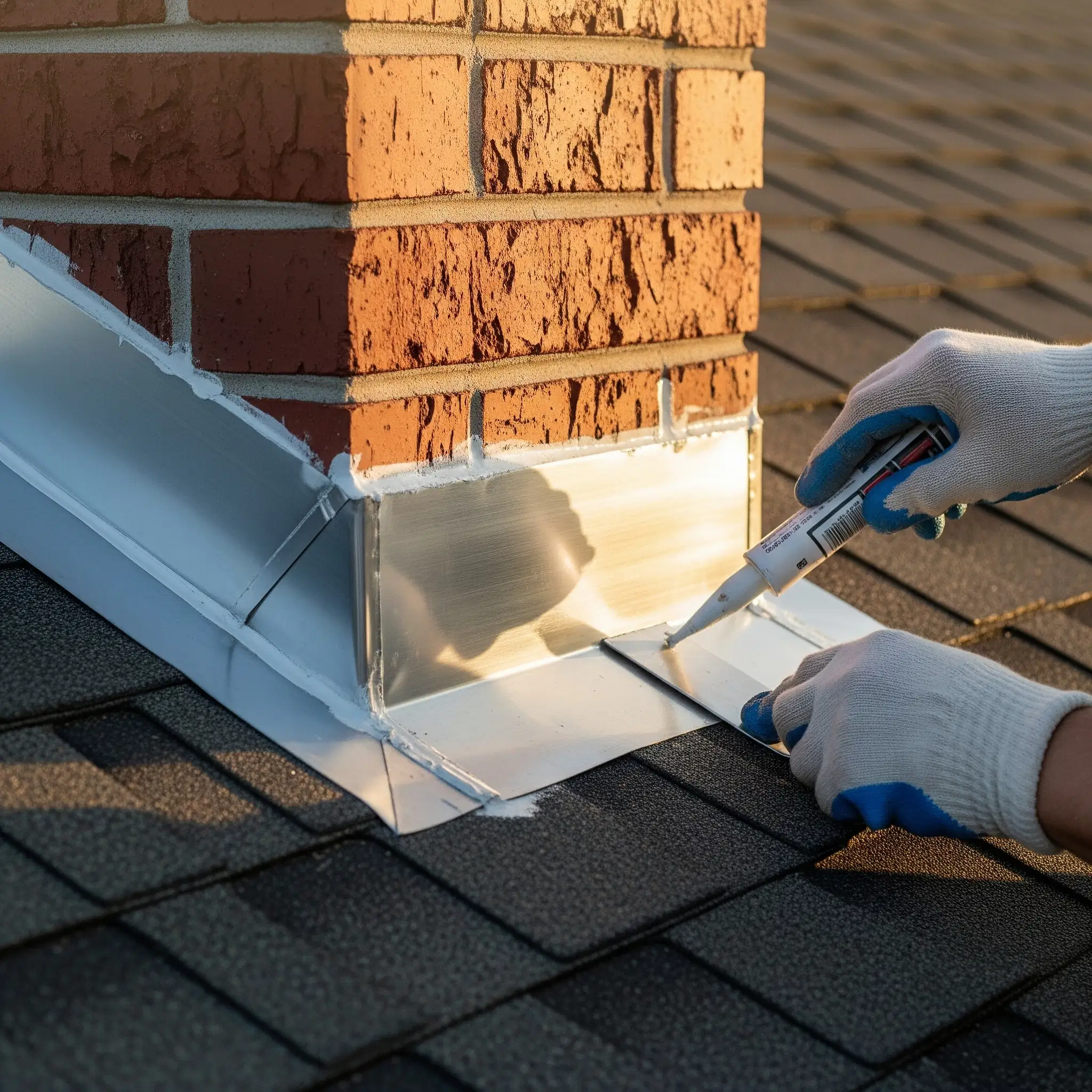
Next, pay close attention to the complex areas around your chimney, plumbing vents, and skylights. Learning how to find roof flashing leaks before winter is an essential skill for any homeowner. The metal strips that seal these vulnerable joints can easily pull away, loosen, or rust over time—especially when exposed to the corrosive salty air blowing in off Casco Bay. If water gets behind this flashing, it will freeze, expand, and pry the materials further apart. Catching these localized issues early often means you only need to schedule a straightforward roof repair rather than dealing with a costly, extensive interior leak in the dead of January.
Guarding Against Hidden Moisture and Rot
Sometimes the biggest threats to your home's structural integrity aren't entirely obvious from the outside. On a bright, sunny afternoon, take a flashlight and head up to your attic. Once up there, turn off the lights and look for any pinpricks of daylight showing through the wooden roof boards. If light can get in, water can get in.
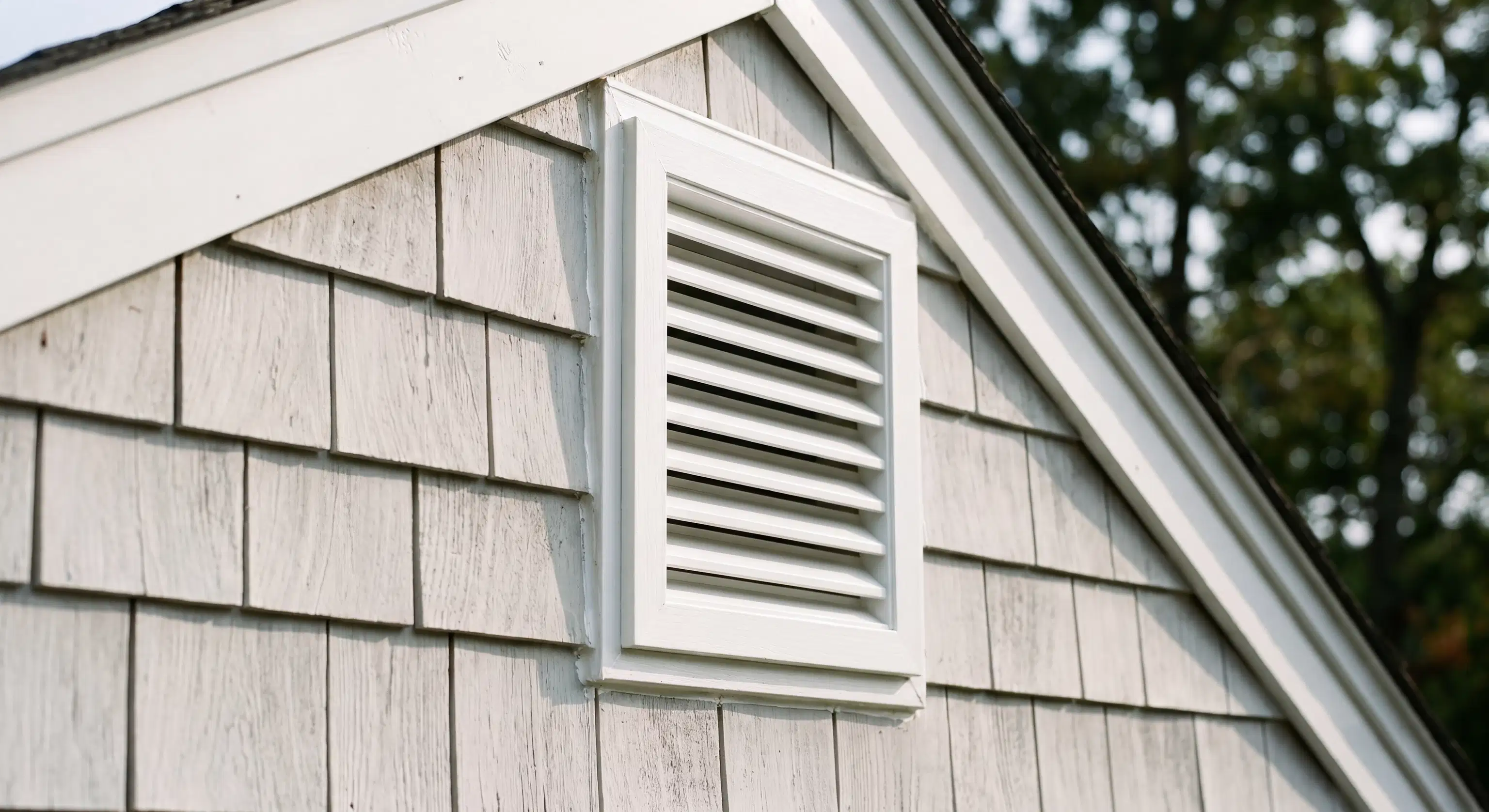
More importantly, closely inspect the underside of the roof decking and the insulation for dark water stains, patches of mold, or a damp, musty smell. These are the classic signs of hidden moisture damage under roof shingles. It is important to note that moisture buildup isn't always the result of a direct leak from the outside; it can also be the consequence of poor attic ventilation. Without proper airflow, warm, moist air from your living space rises and gets trapped in the attic. When this warm air meets the freezing cold roof deck, condensation forms. Over a few seasons, this trapped moisture rots the wood and ruins your insulation, putting your entire home at risk for severe issues that may eventually require extensive exterior structural repairs.
The Threat of Ice Dams and Gutter Buildup
One of the most frequent questions we hear from local homeowners is how to prevent ice dams during the winter months. Ice dams are a major hazard here. They form when heat escapes from your house and melts the snow on the upper parts of the roof. This water trickles down to the colder eaves and freezes, creating a solid ridge of ice that prevents melting snow from draining away. As water continues to flow down, it backs up behind this ice dam, pushes under the shingles, and leaks directly into your walls and ceilings.
Your fall preparation should always include cleaning out your gutters and downspouts. Clogged gutters filled with autumn leaves exacerbate ice dams by giving the melting water absolutely nowhere to go. Beyond keeping gutters clear, having a professional evaluate your roof's underlayment and ensuring proper waterproofing along the eaves can provide a critical, watertight barrier against this backed-up moisture.
When to Call the Professionals
While a visual inspection from the ground or a quick check in the attic is a great starting point for any proactive homeowner, there is no substitute for a professional evaluation. This is especially true if your roof is nearing the end of its lifespan or has weathered several severe storms over the last few years. Professional contractors possess the trained eye required to spot subtle, hidden damage, as well as the safety equipment necessary to navigate steep pitches and slippery surfaces securely.
At 3D Exteriors, LLC, we understand the unique, demanding conditions that our coastal climate places on your home. We know exactly what materials work best to keep you safe and dry. Don't wait until mud season to discover what the winter weather did to your home's exterior. If your fall checklist has uncovered areas of concern, or if you simply want the peace of mind that comes from a thorough, expert assessment, reach out to our dedicated team today. Visit our contact page to schedule an inspection and ensure your property stays warm, dry, and protected all winter long.