
The Ultimate Guide to Weatherproofing Exterior Doors and Siding Trim
Living in the Portland area means your home is subjected to a unique and demanding climate. From the relentless driving rain of a classic Nor'easter to the heavy snow and ice that define our long winters, your home's exterior takes a beating year-round. While your roof is your primary shield, the transitional areas of your home's exterior—specifically around your doors and siding trim—are highly vulnerable to moisture intrusion.
Water always finds the path of least resistance. When the seal around your exterior doors or the trim connecting your siding fails, moisture creeps in. Over time, this unseen water causes extensive structural issues, compromises your home's energy efficiency, and leads to costly structural repairs. As a homeowner, understanding how to protect these vital weak points is essential for maintaining the value, comfort, and durability of your property. In this guide, we will walk you through identifying early warning signs, understanding the risks of hidden rot, and the best practices for completely weatherproofing these critical exterior areas.
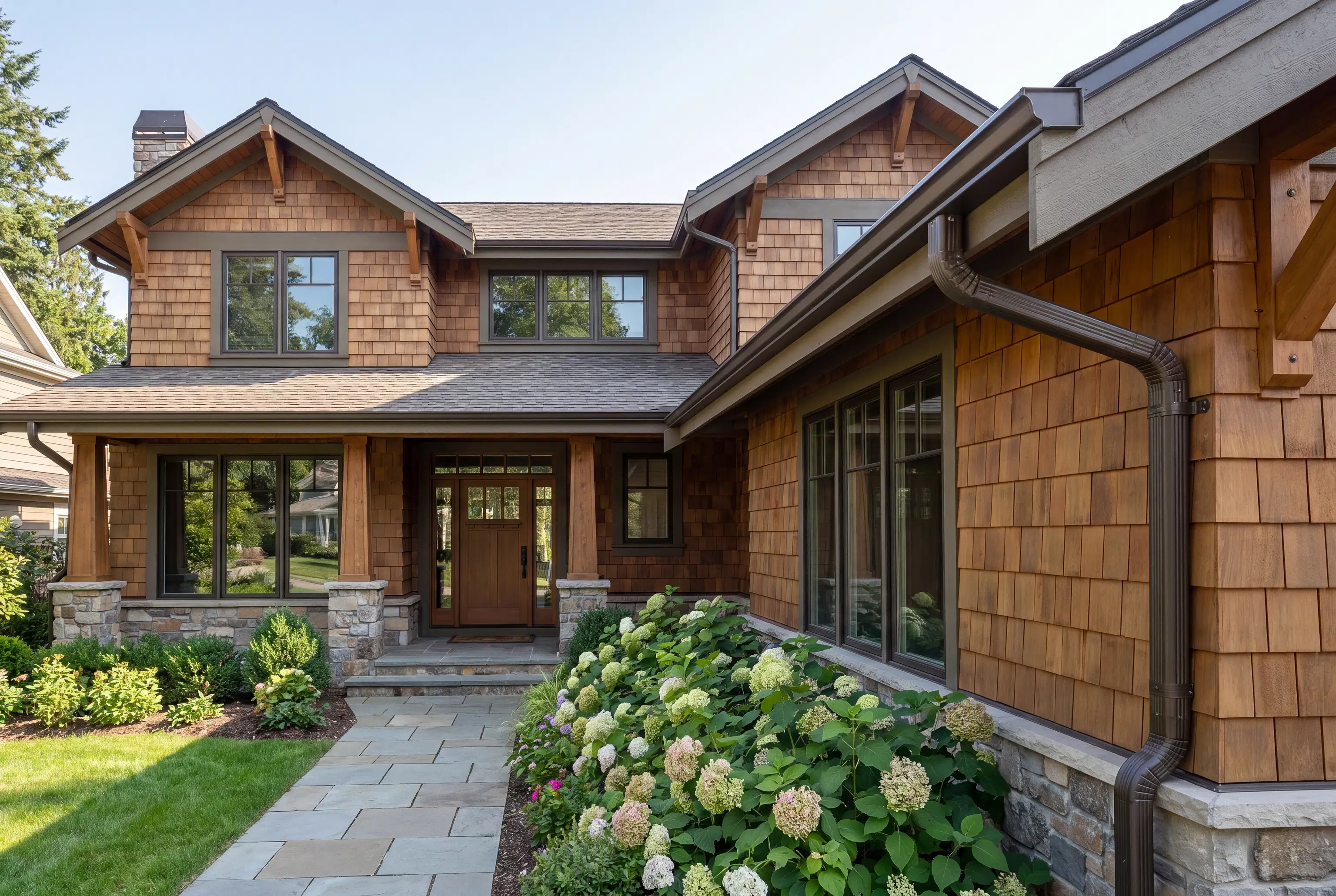
Identifying the Early Warning Signs of Moisture
The coastal winds coming off Casco Bay carry salt and moisture that can slowly degrade exterior sealants and wood over time. Because water damage often happens behind the scenes, catching the early symptoms can save you from a major renovation headache.
So, what should you be looking for? The signs of water damage behind siding and door trim are sometimes subtle. You might first notice peeling or bubbling paint around the doorframe, which happens when moisture gets trapped beneath the surface of the wood. If you press firmly on the trim around your exterior doors and the wood feels soft, spongy, or crumbles slightly, rot has already set in.
Inside your home, you might notice drafts coming from the edges of the door, or perhaps water stains on the drywall near the floorboards directly adjacent to the entryway. You might also see swelling in the door frame itself, making your door difficult to open or close smoothly during damp weather. If your home has older vinyl or wood siding, inspect the J-channel or the caulking where the siding meets the door trim. If the caulk is cracked, pulling away, or entirely missing, it is practically a guarantee that water is finding its way behind your exterior layers during heavy storms.
Addressing Hidden Rot and Structural Damage
One of the biggest mistakes homeowners make is trying to solve a deep-rooted moisture problem with a surface-level fix. Slapping a thick bead of caulk over deteriorating wood might stop a draft temporarily, but it traps the existing moisture inside, accelerating the decay process.
When water gets behind the trim, it doesn't just damage the cosmetic exterior; it attacks the structural sheathing and the framing of your home. Replacing exterior door frame rotted wood under siding is a meticulous process that requires removing the affected siding panels, pulling off the compromised trim, and inspecting the structural framing beneath. If the water has reached the framing, those sections must be expertly repaired to ensure your home remains structurally sound and safe.
This level of restoration requires professional exterior finishing. A skilled contractor will not only remove the compromised materials but will also identify exactly how the water bypassed your home's defenses in the first place, ensuring the underlying issue is resolved before any new materials are installed.
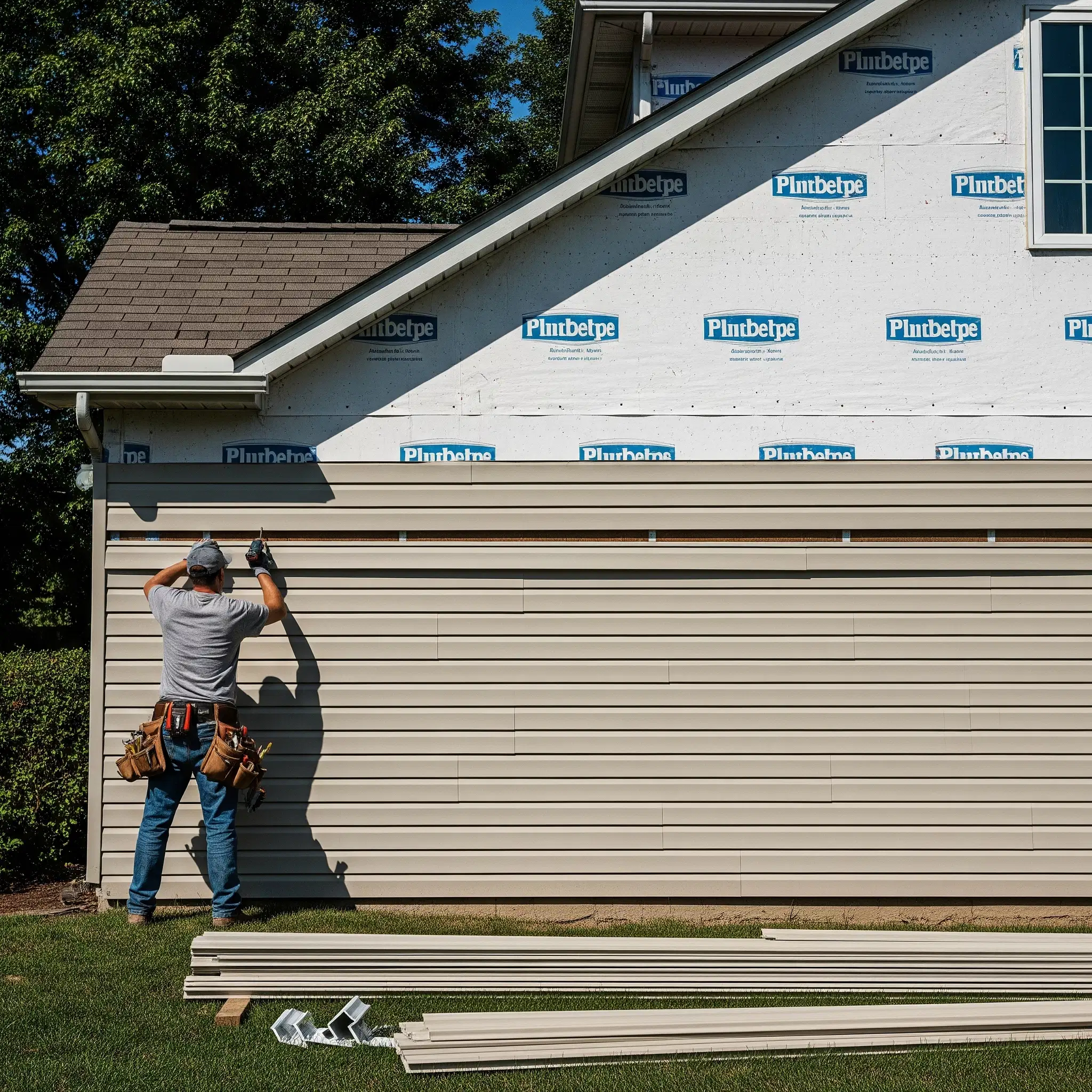
Proactive Steps to Keep the Weather Out
The best way to handle water damage is to prevent it from happening in the first place. Knowing how to prevent water leaks around exterior door frames largely comes down to utilizing high-quality materials and relying on proper installation techniques.
First, robust flashing is non-negotiable. Flashing is a thin layer of waterproof material—often metal or specialized waterproofing tape—that directs water away from the vulnerable seams where the door frame meets the siding. Proper Z-flashing above the door trim ensures that water running down the siding is pushed outward, rather than seeping behind the frame.
Second, the integration between your siding & trim and the door frame must be seamless. The trim should be cut precisely, and all gaps must be sealed with a premium, exterior-grade elastomeric sealant that can expand and contract with Maine's extreme temperature shifts. Unlike standard caulk, these advanced sealants won't crack when the winter freeze sets in.
Finally, the door itself must be correctly aligned, insulated, and sealed during installation. If your current door is old, warped, or improperly hung, no amount of caulking will fully protect your home. Investing in a professional door installation ensures that the unit is perfectly plumb and squared, with expansive foam insulation properly applied in the rough opening to block out both drafts and moisture.
Protect Your Home Before the Next Storm
As we transition into mud season and prepare for the unpredictable weather ahead, there is no better time to evaluate your home's exterior defenses. Don't wait for a major leak to reveal that your door frames and siding trim have been compromised. Taking proactive steps now will protect your investment, lower your heating bills, and give you peace of mind when the coastal winds howl.
If you suspect that your home is vulnerable to water damage, or if you are simply ready to upgrade your home's exterior with materials built to withstand our climate, the team at 3D Exteriors, LLC is here to help. We pride ourselves on transparent pricing, meticulous craftsmanship, and long-lasting solutions. Contact us today to schedule a consultation and let us help you keep the elements exactly where they belong—outside.