
Your Home's Lungs: Why Proper Roof and Siding Ventilation is a Non-Negotiable in Maine
We often think of a home's exterior as a solid, impenetrable shield. But the truth is, a healthy home needs to breathe. Just like us, a house requires a constant cycle of air to stay healthy, manage moisture, and regulate temperature. This is especially true here in the Portland area, where our homes face everything from humid summer days to wicked cold winters. Inadequate ventilation for your roof and siding can trap moisture and heat, leading to a cascade of problems that are often hidden until significant damage is done.
This guide will walk you through why ventilation is so critical, how to spot the warning signs of a problem, and what a properly balanced system looks like. Understanding how your home breathes is the first step in protecting its long-term health and your investment.
The Year-Round Threat of a Suffocating Home
A poorly ventilated home is a problem 365 days a year. The issues simply change with the seasons.
In the Summer: An attic without proper airflow becomes a super-heated oven. This intense heat radiates down into your living spaces, forcing your air conditioning to work overtime and driving up energy bills. More importantly, this trapped heat can literally cook your asphalt shingles from the inside out, causing them to become brittle and fail decades before their time. Similarly, siding without a way for moisture to escape can lead to peeling paint, warping, and a perfect environment for mildew to grow.
In the Winter: The challenges are even more severe. Warm, moist air from daily activities like cooking and showering rises into the attic. When it hits the cold underside of the roof deck, it condenses, leading to damp insulation and frost. This moisture can cause wood rot and create an ideal breeding ground for mold. This is also the primary cause of ice dams. When the attic is too warm, it melts snow on the roof. The water runs down to the cold eaves and refreezes, creating a dam that forces water back up under your shingles, causing leaks and significant water damage. A proper ventilation system keeps the attic cold, preventing this destructive cycle before it starts.
Telltale Signs Your Home Can't Breathe
How can you tell if your home has a ventilation problem? You don't need to be a roofing expert to spot some of the common warning signs. Keep an eye out for these red flags:
- Persistent Ice Dams: As mentioned, this is the most obvious sign of a warm attic in winter. If you consistently see thick ridges of ice along your eaves, your ventilation is likely inadequate.
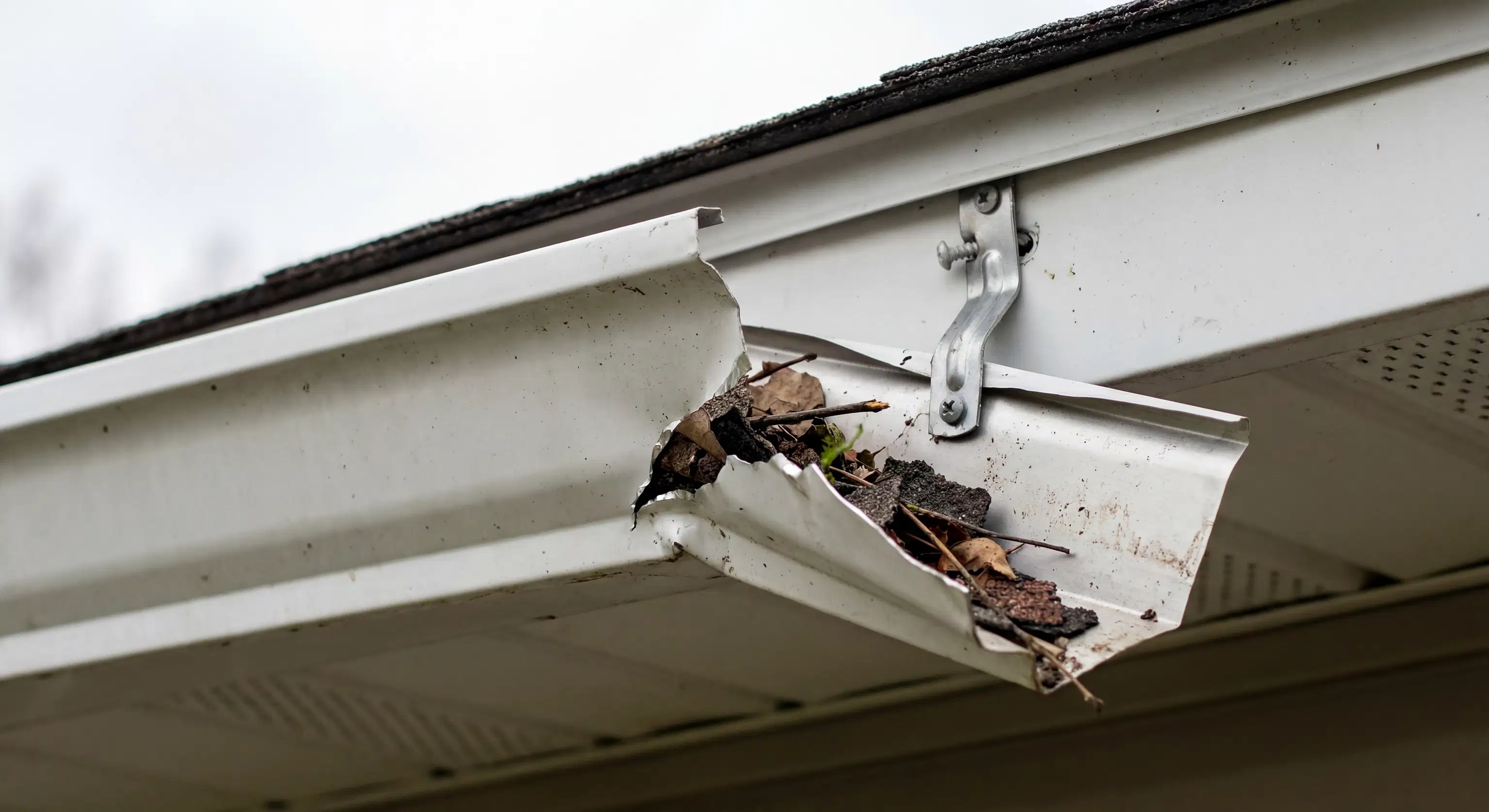
- Curling or Cracking Shingles: Shingles that look warped or are losing their granules prematurely are often a symptom of an overheated attic.
- Frost or Moisture in the Attic: On a cold day, peek into your attic. If you see frost on the underside of the roof sheathing or feel dampness, it's a clear sign that moist air is being trapped.
- Stains, Mold, or Mildew: Dark stains on your ceiling or the smell of mildew in your attic or closets can indicate a long-term moisture problem stemming from poor ventilation.
- Peeling Exterior Paint or Warped Siding: Your home's siding and trim need to breathe, too. When moisture gets trapped behind the siding, it can cause paint to bubble and peel and can even lead to rot in the wall structure itself.
If you notice any of these issues, it's often a sign that a simple roof repair might not be enough; the underlying system needs to be addressed.
The Solution: A Balanced and Professional Approach
Effective ventilation isn't about just adding a few vents; it's about creating a balanced system where the amount of air coming in (intake) equals the amount of air going out (exhaust).
The most common and effective system involves:
- Intake Vents: Typically located in the soffits (the underside of your roof's overhang), these vents allow cool, dry air to enter the attic.
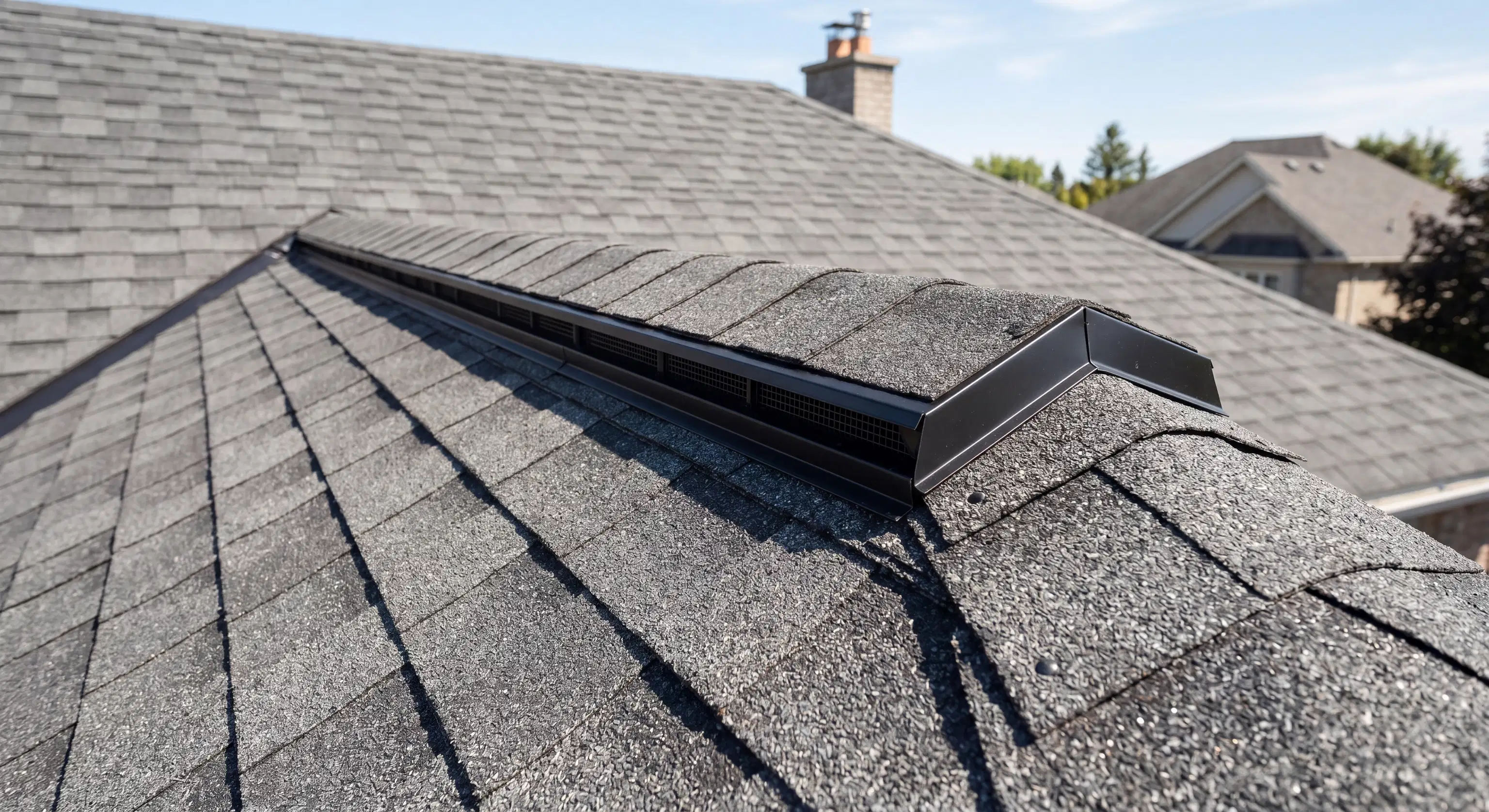
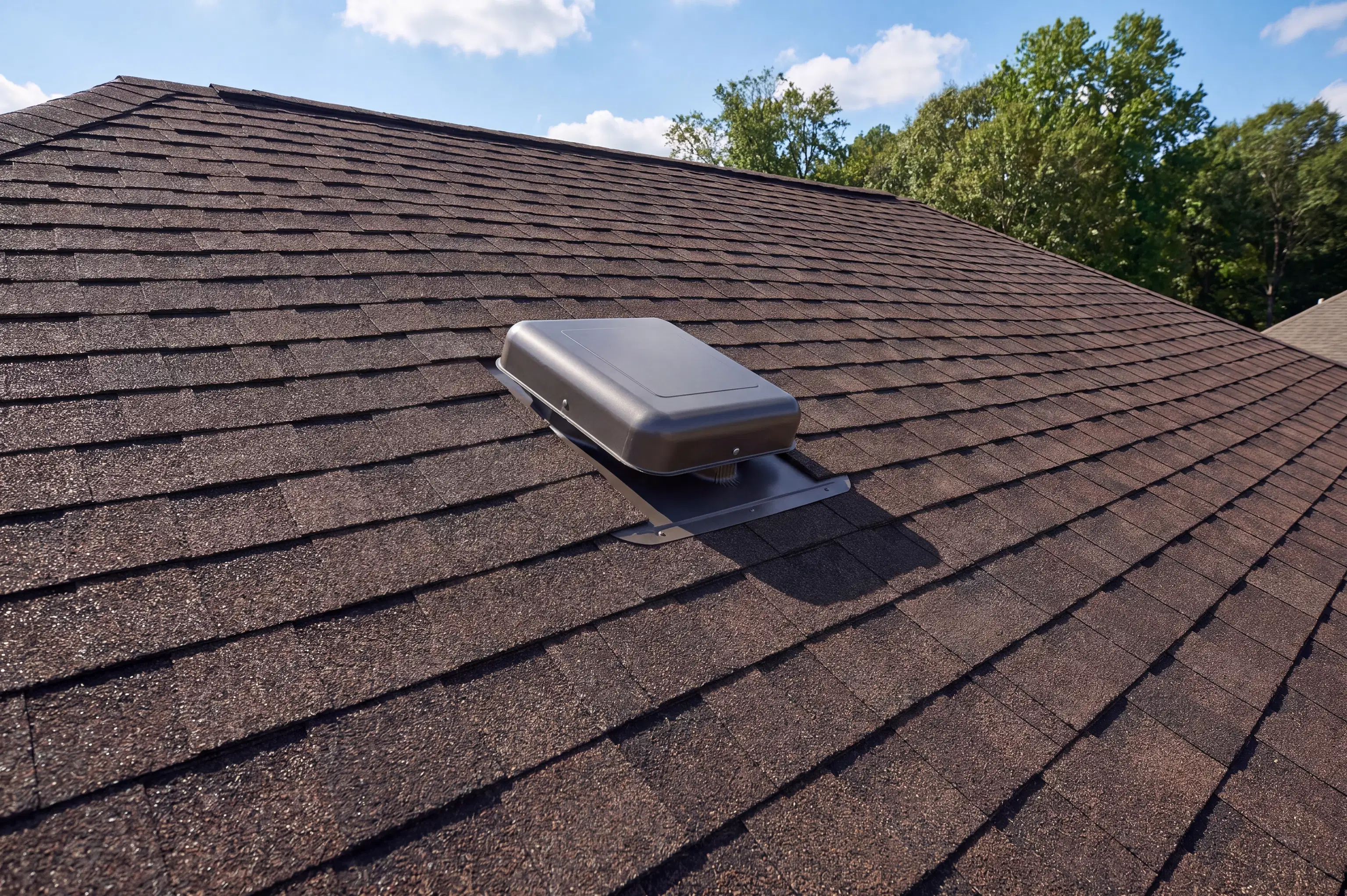
- Exhaust Vents: Located at or near the peak of the roof (like a ridge vent), these allow the hot, moist air to escape naturally as it rises.
This continuous, passive airflow keeps the attic temperature stable and whisks away damaging moisture before it can cause problems. Achieving this balance requires careful calculation based on your attic's square footage and roof design. It's not a one-size-fits-all solution, which is why professional installation is key. When we install a new roof or siding, designing and implementing the correct ventilation system is a core part of the process, ensuring your new exterior can perform its best for decades. In some cases, correcting these issues may even require exterior structural repairs to fix damage that has already occurred.
Protect Your Home from the Inside Out
Proper ventilation is one of the most important, yet overlooked, aspects of a healthy and durable home. It protects the lifespan of your shingles, prevents the formation of destructive ice dams, lowers your energy costs, and stops moisture damage before it can lead to costly structural issues. It’s the invisible system that works 24/7 to protect your biggest investment.
If you've noticed any of the warning signs or are concerned about the performance of your home's exterior, don't wait for a small issue to become a major problem. The team at 3D Exteriors, LLC has the expertise to assess your home's entire ventilation system. Whether you need a new roof, siding, or a targeted repair, we can design a solution that ensures your Portland-area home is protected for every season. Contact us today for a comprehensive evaluation.